
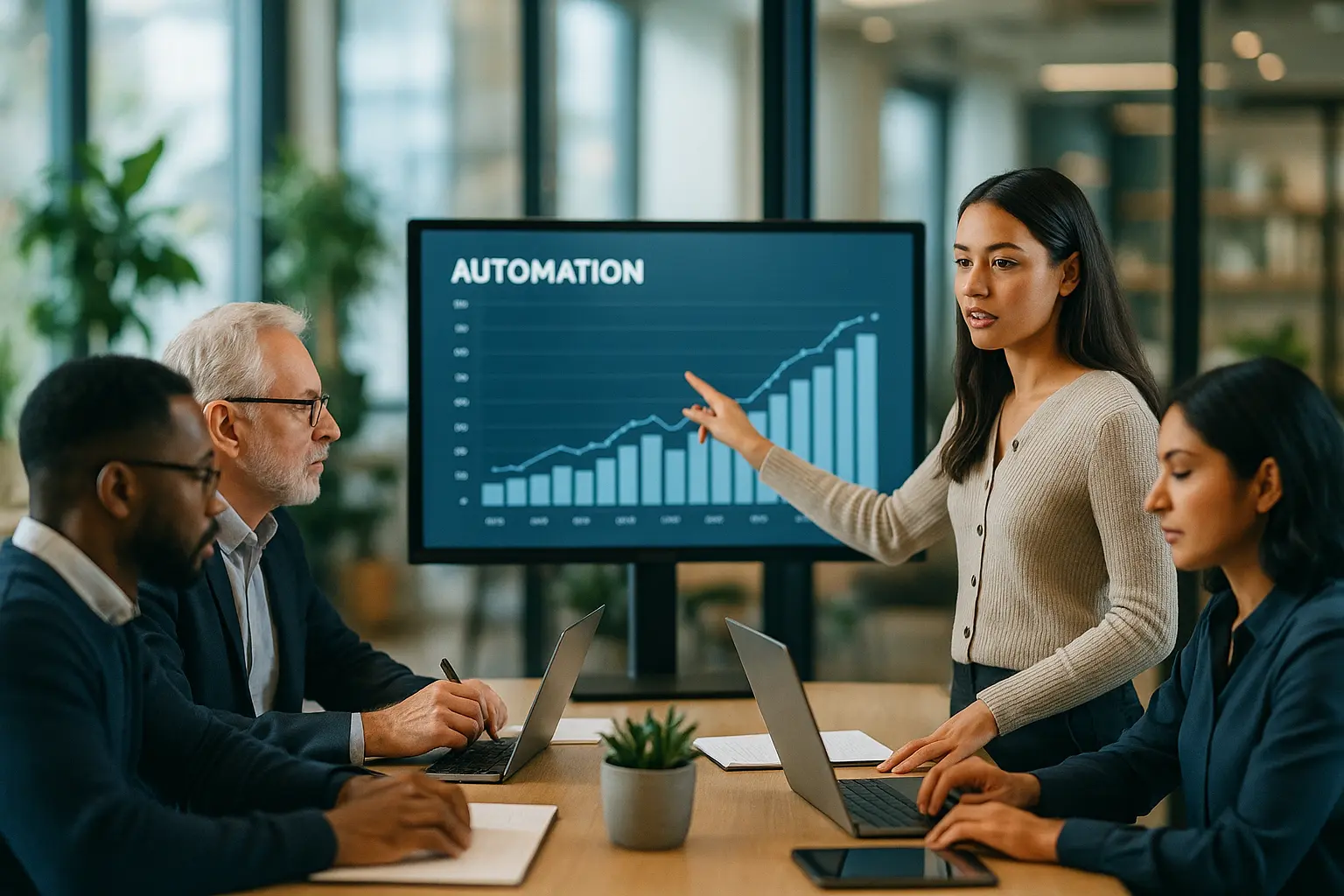
As we stand on the brink of a new technological epoch, the landscape of work is changing at an unprecedented pace. Technology has become an integral part of our daily lives, and with it comes the automation of tasks that were once exclusively human. While this technological eruption promises greater efficiency and productivity, it also presents a new set of challenges—particularly, the widening skills gap that threatens to leave many workers behind.
In this modern age, the need for continuous learning and upskilling has never been more pressing. We find ourselves at a crossroads where businesses must adapt to these changes to remain competitive, and employees must evolve to meet the demands of the future. This article aims to explore the dynamic interplay between technology and the workforce, and how we can bridge the skills gap with effective training programs and strategic development initiatives.
Understanding the Skills Gap
The term “skills gap” has become a buzzword in recent years, yet its implications are profound. It refers to the disparity between the skills employers need and the skills that the workforce possesses. As automation reshapes industries, the demand for digital proficiency, critical thinking, and adaptability increases. However, these aren’t skills that can be acquired overnight.
The future of work demands a workforce that is not just competent but also agile and ready to learn. Despite technological advances, humans remain at the heart of innovation. Thus, understanding the skills gap is crucial for businesses seeking a competitive edge and for individuals aiming to secure their career progression.
Digital technology is transforming how we work, creating exciting opportunities while rendering some jobs obsolete. This dynamic creates a constant churn in the job market, where roles disappear as quickly as they appear. Consequently, the skills gap emerges, not just as a result of technological advancement but also due to a lag in reskilling workers to meet these new demands.
The challenge lies in our ability to predict and adapt to these changes. By identifying the skills gap, we can begin to address the fundamental training needs required to prepare today’s workforce for tomorrow’s challenges.
Strategies for Bridging the Skills Gap
Successfully navigating the skills gap requires a multifaceted approach that involves multiple stakeholders—businesses, educational institutions, and government bodies.
Emphasizing Lifelong Learning
In this fast-paced world, learning shouldn’t cease at graduation. We must foster a culture that encourages continuous education and skills enhancement. By embracing lifelong learning, we enable workers to stay relevant in the face of evolving job demands.
Implementing Tailored Training Programs
Effective training programs are tailored to address specific industry needs. Companies can collaborate with educational institutions to design courses that align with the skills required in the digital age. These programs should not only focus on technical skills but also on soft skills that enhance worker adaptability.
Encouraging On-the-Job Training
While formal education is important, real-world application is invaluable. Employees should be encouraged to learn on the job, gaining firsthand experience that enhances their skill set. Apprenticeships and mentorship programs can help bridge the gap between theoretical knowledge and practical skills.
Leveraging Technology for Skill Development
As the world becomes more digital, so should our approach to learning. E-learning platforms, virtual workshops, and online courses provide flexible options for upskilling. Using technology to deliver education enables workers to access resources anytime, anywhere, facilitating a more personalized learning experience.
The Role of Businesses and Employees in Closing the Gap
As automation reshapes industries, the responsibility of addressing the skills gap is shared between businesses and employees. Businesses must recognize the importance of investing in their workforce’s development, while employees should take proactive steps towards their own career advancement.
Businesses: Cultivating a Learning Environment
Organizations should foster a culture that values and prioritizes employee development. By creating opportunities for continuous learning and upskilling, businesses not only enhance their workforce’s skills but also boost morale and retention. Companies should view training not as an expense, but as a long-term investment in their employees‘ potential.
Employees: Taking Charge of Personal Growth
While businesses play a vital role, individuals must also take ownership of their growth. In today’s rapidly changing world, employees need to be adaptable and willing to learn new skills. Self-awareness and a willingness to embrace change are key components of career resilience. Whether it’s seeking out training opportunities or staying informed about industry trends, personal commitment to upskilling is essential.
Bridging the Gap: A Collaborative Effort
Addressing the skills gap requires collaboration between businesses and employees. Companies must maintain open lines of communication, providing feedback and support to help workers along their development journey. At the same time, employees should engage with their organizations, expressing their career aspirations and learning needs.
The journey to bridge the skills gap is an ongoing process, demanding the collective efforts of businesses, employees, and educators alike. In this age of automation, the key to staying ahead lies in adaptability and a commitment to learning.
As we embrace the future, we must be willing to invest in our greatest asset—the human workforce. By fostering a culture of continuous education and development, we can transform potential challenges into opportunities for growth and innovation. The path ahead is not without its hurdles, but with dedication and foresight, we can navigate the skills gap and emerge stronger, more equipped, and ready to meet the demands of tomorrow’s world.
FAQ
What is the ‘skills gap’ in the context of automation?
The ‘skills gap’ refers to the mismatch between the skills that employers need in an increasingly automated environment and the skills that job seekers currently possess. As technology evolves, many traditional roles are being replaced by automated processes, leading to a demand for new skill sets that many workers are not yet trained for.
How can individuals identify which skills are becoming essential due to automation?
Individuals can stay informed by following industry trends, attending workshops and webinars, and consulting resources from educational institutions or professional organizations. Skills in areas like data analysis, machine learning, and digital literacy are increasingly in demand.
Are there specific industries more affected by the skills gap due to automation?
Yes, industries such as manufacturing, retail, logistics, and finance are particularly affected as they incorporate more automated systems. These sectors often require a workforce that can operate and maintain advanced machinery or navigate new digital platforms.
What steps can employers take to address the skills gap in their workforce?
Employers can invest in training programs that upskill their current employees, partner with educational institutions to foster relevant curricula, and create apprenticeship opportunities to build a pipeline of skilled workers. Promoting a culture of continuous learning can also help adapt to technological changes.
How can job seekers prepare themselves for the changes brought by automation?
Job seekers can enhance their employability by pursuing certifications or courses in emerging technologies, seeking internships or volunteer opportunities in tech-driven roles, and networking with professionals in their desired field to gain insights and advice on necessary skills.