
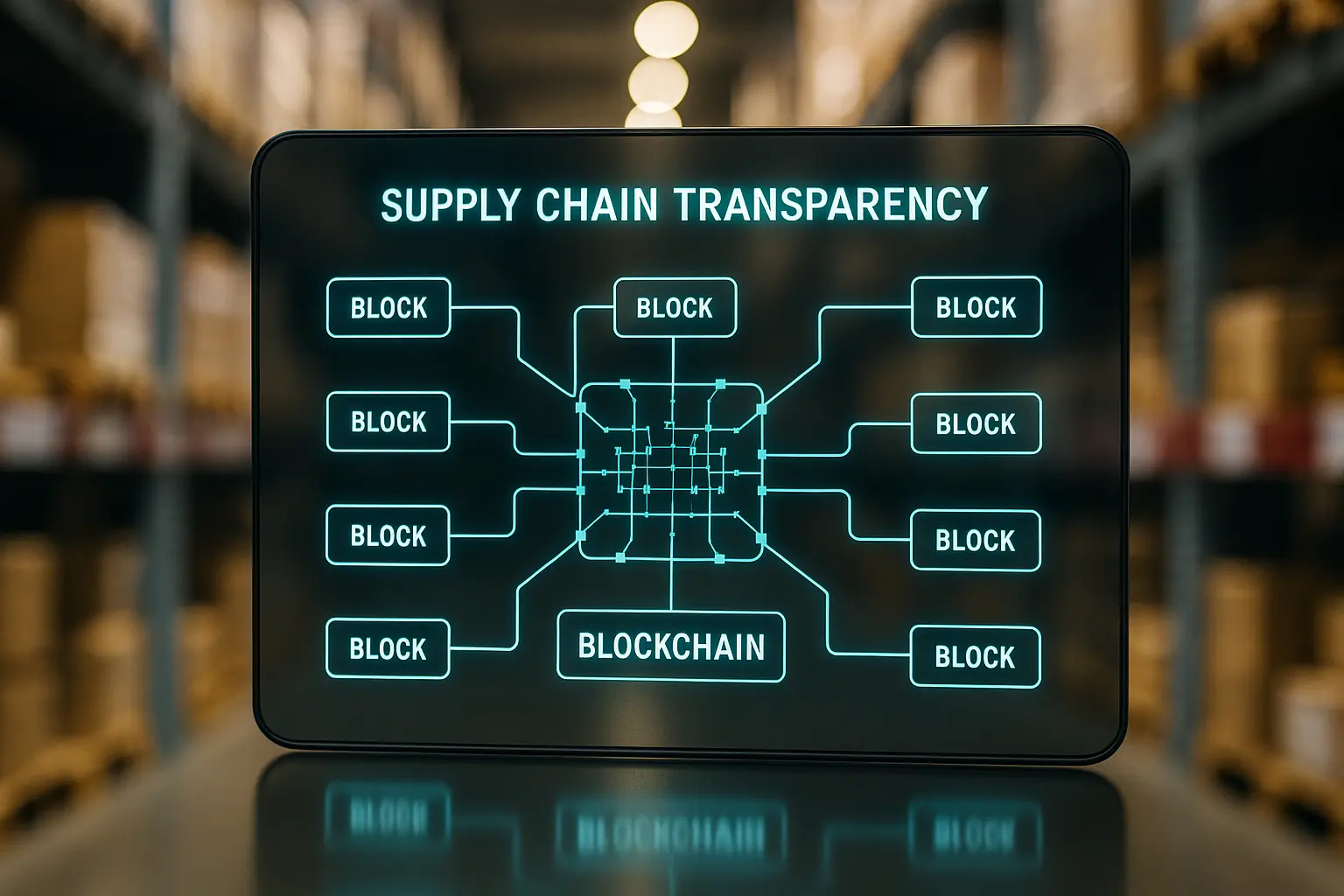
We’ve arrived at an era where transparency and traceability are no longer mere aspirations but essential components of efficient and sustainable business practices. As we delve into the potential of blockchain technology in enhancing the supply chain, it’s crucial to appreciate the transformative power it holds. The blend of real-time data, efficient management, and sustainability is a game-changer for modern supply systems. In a world that demands accountability, blockchain emerges as a robust solution.
How exactly does blockchain weave its magic in the intricate fabric of supply chains? Picture this: a decentralized ledger that meticulously records every transaction, every handoff, and every movement of a product. This ledger’s transparency is its strength, providing a single source of truth across the entire value chain. Let’s explore the dynamic and evolving role blockchain plays in supply chains today.
Harnessing Blockchain for Real-Time Supply Chain Management
The concept of real-time data management might seem straightforward, yet the complexity of supply chains presents a maze of challenges. Every minute detail—from raw material sourcing to final product delivery—requires meticulous tracking. Herein lies the power of blockchain.
Blockchain Technology transforms traditional supply chain systems by ensuring each transaction is securely stored in a distributed ledger. This boosts efficiency by creating a seamless flow of information that enables all stakeholders to access real-time data. As a result, companies can preemptively manage risks, optimize processes, and significantly reduce time delays.
Consider the supply of perishable goods, where time is of the essence. Blockchain’s ability to provide precise tracking enhances traceability and minimizes spoilage, thus supporting sustainability efforts. Meanwhile, businesses gain a competitive edge by achieving unparalleled efficiency.
By ensuring transparency, blockchain helps resolve disputes with real evidence and accelerates processes such as management decisions and audits. The potential for a transparent supply chain is immense, offering a level of reliability that was previously unattainable.
Blockchain’s Impact on Enhancing Product Traceability
In today’s marketplace, consumers are increasingly demanding to know the origin and journey of the products they purchase. This shift in consumer expectations has highlighted the critical role of traceability in supply chains. Enter blockchain—a cutting-edge technology poised to redefine how we track products from start to finish.
Through blockchain, we achieve an unprecedented level of traceability by maintaining an immutable record of every step a product takes. From the source of raw materials to the manufacturing process and beyond, blockchain ensures that each link in the chain is transparent and accountable. This elevation of transparency bolsters consumer trust, aligns with stringent regulatory requirements, and fortifies sustainability efforts.
Think of a scenario where a real-time alert could avert a product recall by pinpointing the exact source of contamination. Blockchain’s distributed ledger does precisely this, offering companies the ability to act swiftly in the face of challenges.
Moreover, the assurance of product authenticity that blockchain provides is invaluable in combating counterfeit goods. By leveraging blockchain, companies can protect their brand integrity, assuring customers of the real value of their purchases.
Overcoming Challenges in Blockchain Implementation
Despite its immense potential, the implementation of blockchain in supply chains is not without its hurdles. The journey toward seamless integration involves addressing challenges that companies often encounter.
One significant barrier is the complexity associated with transitioning from traditional systems to a blockchain-based ledger. Organizations must invest in the necessary infrastructure and train personnel to leverage blockchain effectively. Additionally, privacy concerns and data security remain paramount, requiring robust measures to safeguard sensitive information.
Fragmentation within supply chains can also pose a challenge, as different stakeholders may operate under varying standards and technologies. Achieving uniformity in blockchain adoption across the board necessitates collaboration and agreement on standard protocols.
Companies must also consider the scalability of blockchain solutions, as the volume of transactions and data continues to grow. Understanding these challenges and addressing them proactively is key to unlocking the full potential of blockchain technology in supply chains.
As we look toward the future, the integration of blockchain technology in supply chains stands as a beacon of transformative potential. The promise of transparency, enhanced traceability, and efficient management resonates deeply with the evolving needs of today’s businesses and consumers.
Blockchain’s ability to create a decentralized and transparent ecosystem fosters consumer trust, enhances sustainability, and propels efficiency to new heights. However, realizing this potential requires addressing the inherent challenges and embracing innovation at every step.
Together, we can harness blockchain’s power to redefine supply chain dynamics, ensuring that products reach their destination with integrity and precision. As we continue this journey, our commitment to leveraging blockchain for real-world impact will pave the way for a future marked by accountability, resilience, and sustainability.
FAQ
What is blockchain technology, and how does it apply to supply chain management?
Blockchain is a digital ledger system that records transactions in an immutable way across multiple computers. In supply chain management, it allows for transparent and secure tracking of goods from origin to final destination, ensuring authenticity and reducing the risk of fraud.
How can blockchain enhance transparency in supply chains?
Blockchain provides a transparent and tamper-proof record of every transaction and movement of goods. This visibility allows all parties, from suppliers to consumers, to verify the authenticity and origin of products, enhancing trust across the supply chain.
Are there any challenges associated with implementing blockchain in supply chains?
Yes, some challenges include high initial setup costs, the requirement for technological and infrastructure upgrades, and the need for widespread collaboration and trust among stakeholders to ensure seamless data sharing and standardization.
What are the benefits of using blockchain for traceability in supply chains?
Blockchain offers improved traceability by providing a detailed and permanent record of a product’s journey. This not only aids in efficient recall processes but also enhances accountability, ensures compliance with regulations, and increases consumer confidence in product authenticity.
Can blockchain technology be integrated with existing supply chain systems?
Yes, blockchain can be integrated with existing supply chain management systems. However, it requires careful planning and collaboration between stakeholders to ensure compatibility and to maximize the benefits of combining legacy systems with blockchain technology.